Projekt
Innovative Pathways
This chapter looks at how experiential entrepreneurship education can prepare Generation Z students for working life today. It draws on our experience of co-leading a large interdisciplinary undergraduate module in Business Planning and Sustainable Entrepreneurship at the University of York. We argue that entrepreneur…
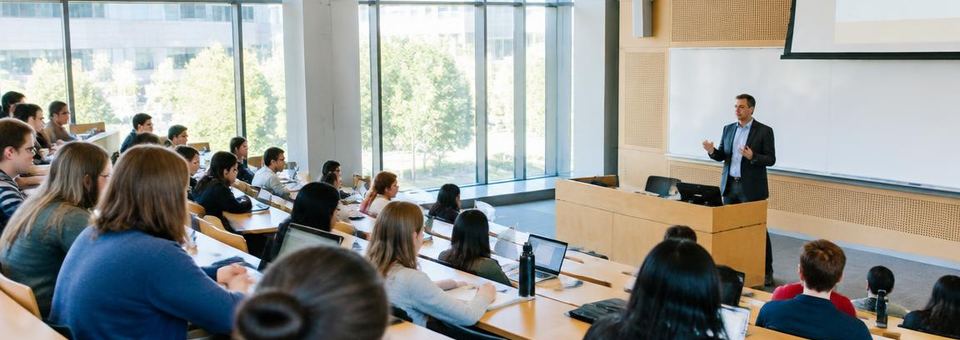
This chapter looks at how experiential entrepreneurship education can prepare Generation Z students for working life today. It draws on our experience of co-leading a large interdisciplinary undergraduate module in Business Planning and Sustainable Entrepreneurship at the University of York. We argue that entrepreneurship education can do more than help students think about starting ventures. It can also help them develop the skills and awareness they will need in a wide range of professional settings. The chapter describes a student-centred approach built around flipped learning, team-based work, problem-based tasks, authentic assessment, reflective practice, and the open use of generative AI. It also explores the problem of uneven contribution in group work. We suggest that this is often treated too narrowly as free riding, when in practice it may reflect a mix of circumstances such as transcultural communication challenges, differences in student confidence, varying levels of language ability, and the pressures faced by commuter and working students. In response to these issues, we outline practical teaching strategies, including clearer teamwork structures, embedded skills support, regular small group tutorials, and structured reflection carried out by students at the end of their team based experiential learning experience. This chapter sets out an approach that colleagues in higher education may be able to adapt in their own teaching, particularly where the aim is to prepare students for collaborative and ethical professional practice.
Technologien
- Generative AI Generative AI – Überblick über Forschungsprojekte, Patente und Akteure im TechnologieAtlas.
Themengebiete
- Klima und Umwelt Klima und Umwelt – Überblick über Forschungsprojekte, Patente und Akteure im TechnologieAtlas.
- Bildung Bildung – Überblick über Forschungsprojekte, Patente und Akteure im TechnologieAtlas.
- Künstliche Intelligenz Künstliche Intelligenz – Überblick über Forschungsprojekte, Förderprojekte und Akteure im TechnologieAtlas.