Projekt
Roots and the rhizosphere: a perspective on the hidden engine of regenerative, antifragile, and digitally enabled agriculture
For decades, agricultural optimization has focused primarily on aboveground yield and external inputs while neglecting the complexity and functional integrity of belowground processes. The rhizosphere, the dynamic zone surrounding roots, has long been investigated through isolated components but rarely in a holistic f…
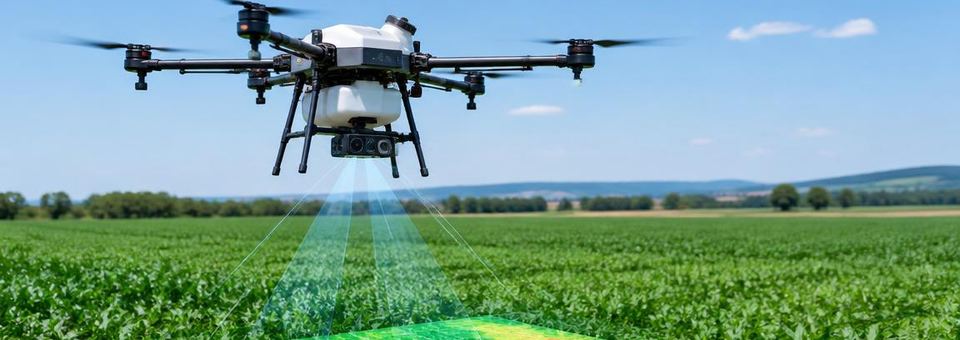
For decades, agricultural optimization has focused primarily on aboveground yield and external inputs while neglecting the complexity and functional integrity of belowground processes. The rhizosphere, the dynamic zone surrounding roots, has long been investigated through isolated components but rarely in a holistic framework, despite its critical role in agroecosystem productivity, soil fertility, and sustainability. Moreover, the translation of this knowledge into routine farm-scale practice remains quite limited. This perspective argues for repositioning the rhizosphere at the center of agricultural innovation. In this view, roots and their microbial partners are not only fundamental for crop performance but also drivers of antifragility, enabling farming systems to withstand and even improve under environmental stresses, while sustaining productivity. Integrating advances in root biology, soil chemistry, microbial ecology, and agronomics, this review shows that rhizosphere processes drive key biogeochemical functions such as carbon sequestration, nutrient cycling, and stress adaptation. Critical gaps include limited integration of root-microbiome traits in crop breeding, lack of field-ready rhizosphere diagnostics, and variable performance of microbial inoculants across soils and climates. Addressing these challenges is essential to operationalize rhizosphere science at field scale and support reduced-input, climate-resilient farming systems. Looking forward, emerging technologies ranging from high-resolution imaging and spectroscopy to artificial intelligence offer unprecedented insight into belowground complexity and a unique opportunity to bridge the gap between experimental insights and real-world farming. Ultimately, the review calls for a paradigm shift embedding rhizosphere processes into crop breeding, farming system design, and management strategies. Recognizing the rhizosphere as a primary entry point for innovation is essential for translating science into practical levers for regenerative, antifragile, and sustainable agriculture. • Roots and microbes form dynamic alliances that drive nutrient cycles and soil health. • The rhizosphere is central to antifragile, climate-smart, and regenerative farming. • Root exudates shape microbial recruitment and enhance plant stress adaptability. • AI, imaging, and sensors unlock real-time insights into rhizosphere functionality. • Redesigning agriculture from below connects breeding, management, and microbiomes.
Themengebiete
- Gesundheit Gesundheit – Überblick über Forschungsprojekte, Patente und Akteure im TechnologieAtlas.
- Klima und Umwelt Klima und Umwelt – Überblick über Forschungsprojekte, Patente und Akteure im TechnologieAtlas.
- Landwirtschaft Landwirtschaft – Überblick über Forschungsprojekte, Patente und Akteure im TechnologieAtlas.
Hochschulen
- Free University of Bozen-Bolzano Free University of Bozen-Bolzano – Hochschule bzw. Forschungseinrichtung mit Aktivitäten in Forschung und Inn…
- University of Bologna University of Bologna – Hochschule bzw. Forschungseinrichtung mit Aktivitäten in Forschung und Innovation.
- University of Bari Aldo Moro University of Bari Aldo Moro – Hochschule bzw. Forschungseinrichtung mit Aktivitäten in Forschung und Innovat…
- UNIVERSITA DEGLI STUDI DELLA TUSCIA UNIVERSITA DEGLI STUDI DELLA TUSCIA – Hochschule bzw. Forschungseinrichtung mit Aktivitäten in Forschung und…